

Introduction
In today's modern world, electricity plays a crucial role in almost every aspect of our lives. From powering our homes and offices to fueling industrial machinery and electronic devices, electricity is an essential utility that we cannot do without. One key component of any electrical system is the power cable, which serves as the conduit for delivering electricity from the source to the end device. While standard power cables come in various lengths and configurations, there are situations where a custom length power cable is needed to ensure optimal performance and safety. In this comprehensive guide, we will explore the importance of custom length power cables, their benefits, applications, and how to choose the right one for your specific needs.
Understanding Custom Length Power Cables
A custom length power cable is a specially designed electrical cable that is tailored to the specific requirements of a particular application. Unlike standard power cables, which come in pre-determined lengths and configurations, custom length power cables can be manufactured to precise specifications to meet the unique needs of a project. PV cable grounding methods allows for greater flexibility and versatility in designing electrical systems, ensuring that they are efficient, reliable, and safe.
Benefits of Custom Length Power Cables
There are several key benefits to using custom length power cables in electrical systems:
1. Precision Fit: Custom length power cables are manufactured to exact specifications, ensuring a precise fit for the application. This eliminates the need for excess cable length, reducing waste and clutter in the system.
2. Improved Performance: By customizing the length of the power cable, it is possible to minimize voltage drop and electrical losses, resulting in improved performance and energy efficiency.
3. Enhanced Safety: Custom length power cables are designed to meet specific safety standards and regulations, reducing the risk of electrical hazards and ensuring the protection of both people and equipment.
4. Flexibility: Custom length power cables can be tailored to the layout and configuration of the electrical system, providing greater flexibility in installation and maintenance.
5. Cost-Effective: While custom length power cables may have a higher initial cost than standard cables, they can offer long-term cost savings by reducing waste, improving efficiency, and minimizing downtime.
Applications of Custom Length Power Cables
Custom length power cables find applications in a wide range of industries and settings, including:
1. Industrial: Custom length power cables are commonly used in industrial settings to power machinery, equipment, and production lines. These cables are designed to withstand harsh conditions, such as high temperatures, moisture, and mechanical stress.
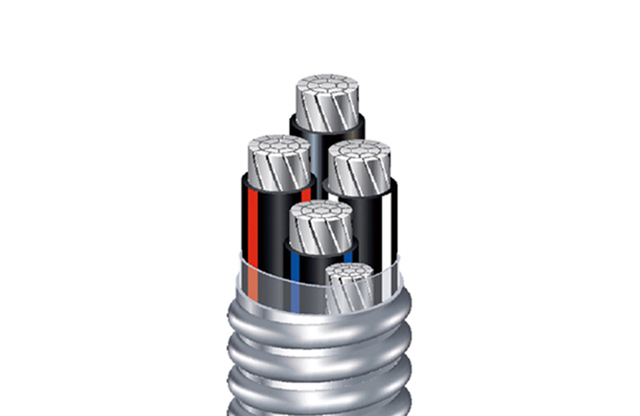
2. Commercial: In commercial buildings, custom length power cables are used to connect electrical panels, distribution boards, and lighting fixtures. These cables are often installed in tight spaces or complex layouts where standard cables may not fit.
3. Residential: Custom length power cables are also used in residential settings to connect appliances, electronics, and lighting systems. These cables are often concealed within walls, floors, or ceilings to maintain a clean and organized appearance.
4. Renewable Energy: With the growing demand for renewable energy sources, custom length power cables are essential for connecting solar panels, wind turbines, and other green energy systems to the grid. Mineral Insulated Cable are designed to handle fluctuating power outputs and environmental conditions.
Choosing the Right Custom Length Power Cable
When selecting a custom length power cable for your project, there are several factors to consider to ensure that you choose the right cable for your specific needs:
1. Voltage Rating: The voltage rating of the power cable should match the voltage requirements of the electrical system to prevent overloading and electrical failures.
2. Current Capacity: The current-carrying capacity of the power cable should be sufficient to handle the maximum load of the system without overheating or voltage drop.
3. Conductor Material: The conductor material of the power cable, such as copper or aluminum, should be selected based on the conductivity, corrosion resistance, and cost-effectiveness required for the application.
4. Insulation Material: The insulation material of the power cable should provide adequate electrical insulation, mechanical protection, and resistance to environmental factors such as heat, moisture, and chemicals.
5. Conductor Size: The size of the conductor in the power cable should be selected based on the current-carrying capacity and voltage drop requirements of the system.
6. Jacket Material: The jacket material of the power cable should be chosen based on the environmental conditions, such as temperature, UV exposure, and abrasion resistance, in which the cable will be installed.
Conclusion
Custom length power cables are a versatile and essential component of modern electrical systems, offering precision fit, improved performance, enhanced safety, flexibility, and cost-effectiveness. By understanding the importance of custom length power cables, their benefits, applications, and how to choose the right one for your specific needs, you can ensure that your electrical system is reliable, efficient, and safe. Whether you are working in an industrial, commercial, residential, or renewable energy setting, custom length power cables can help you meet your electrical needs with confidence and peace of mind.